
The gaming world is currently caught in the gravitational pull of Grand Theft Auto VI, with every leaked screenshot and industry whisper being dissected by millions. As we inch closer to the official November 19, 2026, release date, a fascinating theory has begun to circulate through the community and modding forums like SixMods.net. Many veteran players have noticed a staggering leap in the quality of vehicles released in recent GTA Online updates, leading to the explosive hypothesis that Rockstar Games has been “backporting” assets. This theory suggests that the high-fidelity cars we’ve been buying with Shark Cards were actually designed for the next generation of crime, serving a dual purpose: keeping the current player base engaged while simultaneously stress-testing Grand Theft Auto 6 Mods and assets in a live environment.
For over a decade, Los Santos has been our playground, but the technical disparity between “day one” vehicles and the newest additions is undeniable. When you compare a launch-era Adder to a modern masterpiece like the Omaggio or the newer electric hypercars, the difference isn’t just aesthetic; it’s architectural. Rumors suggest that as development on the RAGE engine evolved for the upcoming sequel, the vehicle pipeline became so advanced that Rockstar couldn’t help but “trickle down” some of that brilliance into GTA Online. By doing this, they’ve managed to maintain record-breaking engagement levels, ensuring that the transition to the next chapter feels like a natural evolution rather than a jarring leap into the unknown.
The Visual Leap: Next-Gen Fidelity in a Last-Gen World
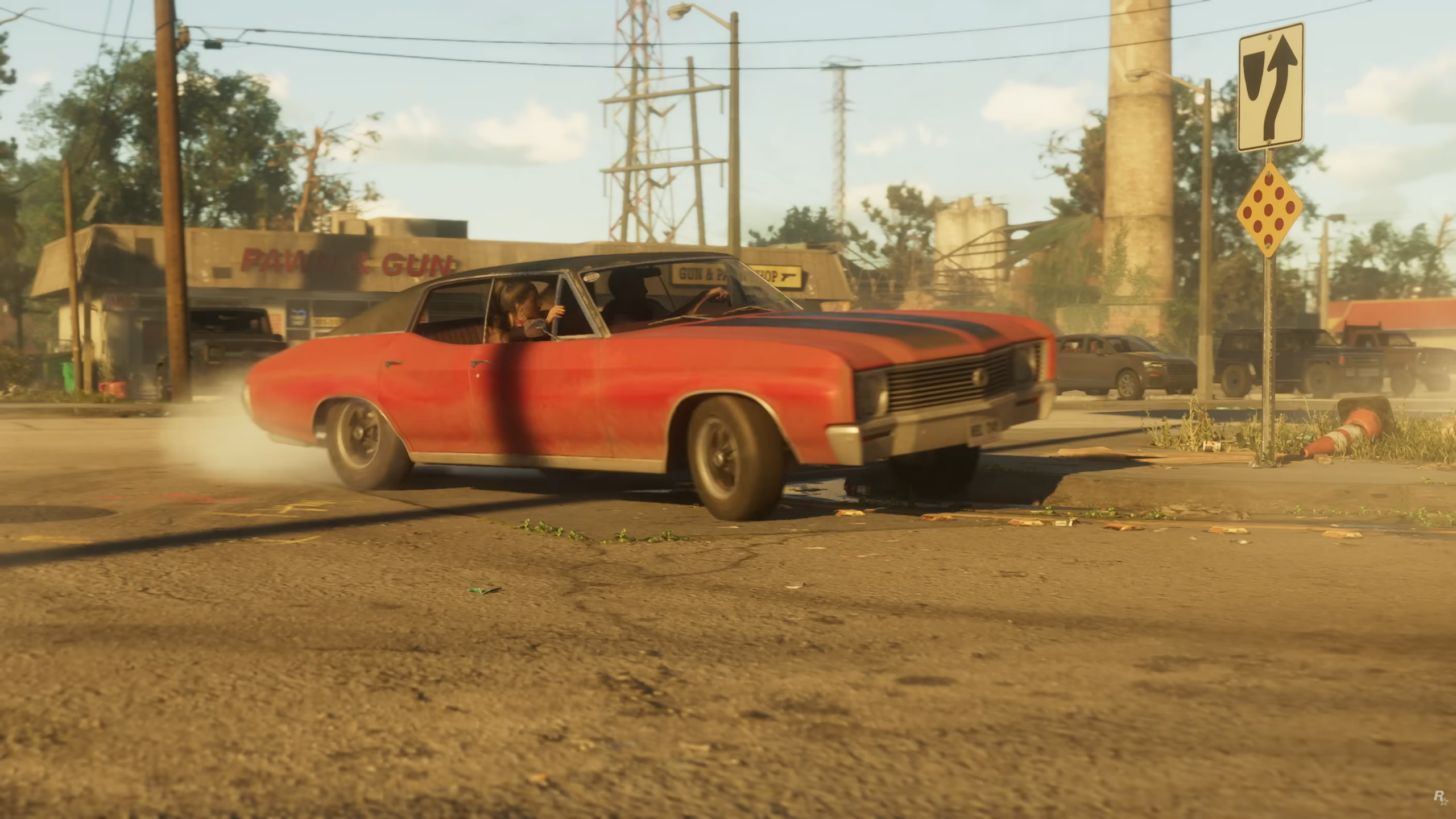 If you take a close look at the interiors of the most recent DLC additions, the evidence for backporting becomes almost impossible to ignore. Gone are the days of blurry, static textures on dashboards and generic steering wheels shared across fifty different models. The newest cars feature functional gauges, high-resolution touchscreens, and intricate stitching that seems far too advanced for a game engine built in 2013. These models carry the distinct DNA of Grand Theft Auto VI, where realism and immersion are reportedly being pushed to the breaking point. It appears that Rockstar is using these vehicles to set a new visual standard, effectively giving us a “playable teaser” of the fidelity we can expect when we finally touch down in Vice City.
Furthermore, the lighting and reflection maps on these newer vehicles behave differently than the base-game assets. Many players have pointed out that the way light dances off the curves of the latest supercars feels more consistent with the ray-tracing technology being perfected for the next title. By introducing these assets now, Rockstar is essentially future-proofing GTA Online, making sure that when the two games eventually coexist, the visual gap isn’t so wide that it makes the older title unplayable. It’s a brilliant strategy that satisfies the hunger for new content while maximizing the utility of every asset the art team produces for the next entry in the series.
Physics and Handling: Testing the Limits of the RAGE Engine
It isn’t just about the looks; the way these cars move suggests a fundamental shift in physics that points directly toward Grand Theft Auto VI. In recent updates, we’ve seen the introduction of more complex handling flags, improved suspension travel, and even unique engine sounds that feel far more “raw” and mechanical than the synthesized hums of the past. These changes often mirror the leaked gameplay footage of the sequel, which showcased more realistic tire deformation and weight distribution. By slipping these physics tweaks into current DLC, Rockstar can gather massive amounts of telemetry data from millions of drivers, allowing them to fine-tune the driving experience for the sequel before it even hits the shelves.
This “live testing” approach is a hallmark of Rockstar’s modern development philosophy. We saw similar experiments with the weapon wheel and character movement in late-stage GTA Online updates that eventually became standard features in Red Dead Redemption 2. By using Los Santos as a laboratory, the developers can see exactly how a high-performance vehicle handles high-speed pursuits or complex stunt jumps. For those of us in the modding community, this is a goldmine of information, as it gives us a head start on understanding how Grand Theft Auto 6 Mods will need to interact with the updated physics engine to maintain that signature Rockstar feel.
Strategic Engagement: Keeping the Hype Train on the Tracks
The timing of these high-quality vehicle drops is no coincidence, especially as the industry prepares for the massive November launch. Keeping a game relevant for thirteen years is an unprecedented feat, and the “porting” of upcoming assets is the ultimate secret weapon in Rockstar’s arsenal. By giving players a taste of the future today, they prevent “sequel fatigue”—the phenomenon where players stop playing the current game because they are only focused on the next one. Instead, every new car feels like a piece of the puzzle, a tangible link to the world of Grand Theft Auto VI that keeps the community theorizing, racing, and, most importantly, logged in.
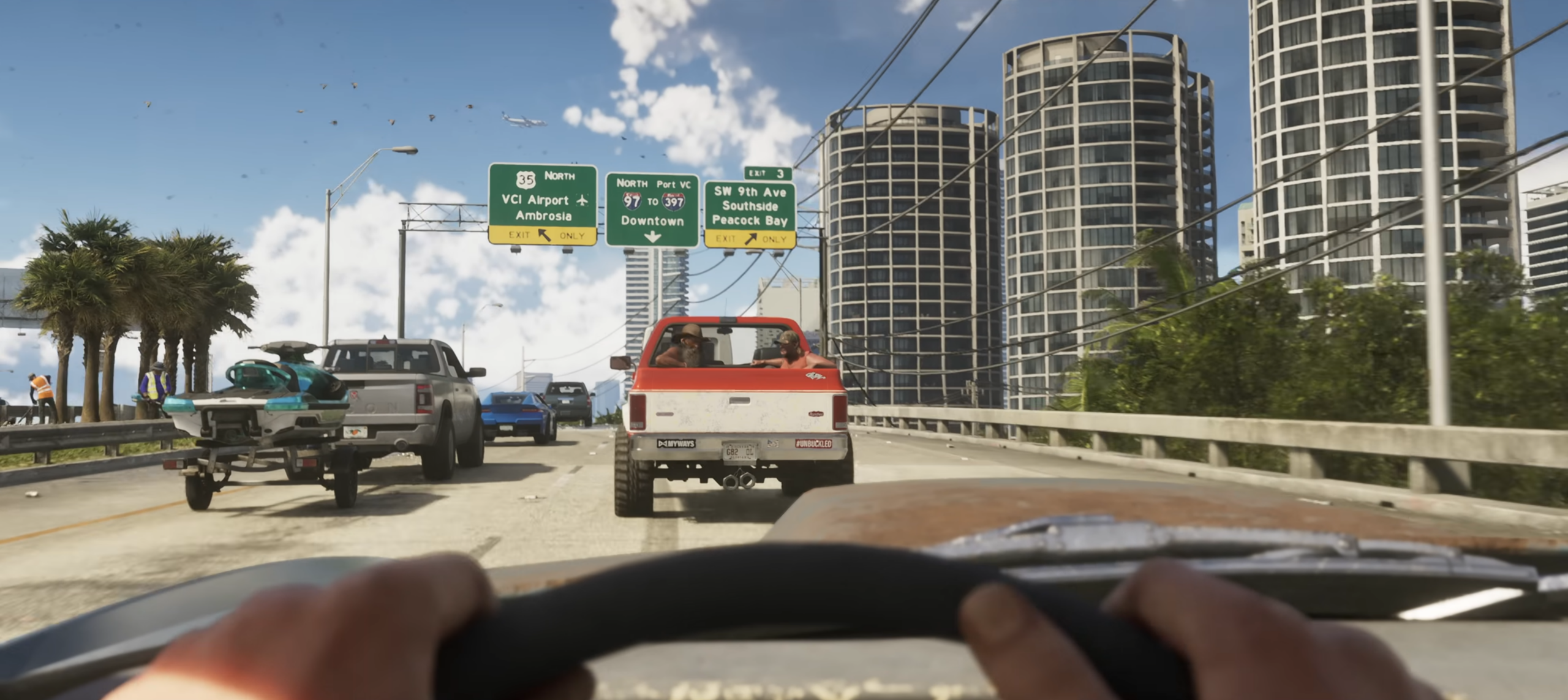
This strategy also serves as a defensive wall against competitors. By consistently raising the bar for what a “standard” car looks and feels like, Rockstar ensures that no other open-world title can catch up. The sheer polish of these potential “ported” assets makes other games in the genre feel years behind, maintaining GTA’s crown as the king of digital automotive culture. For the fans at SixMods.net, this means the bridge between the two games is already being built, car by car. We aren’t just playing an old game anymore; we are participating in a multi-year transition that will culminate in the most ambitious entertainment launch in history.
The Modder’s Perspective: A Preview of Things to Come
For the developers and creators who live for Grand Theft Auto 6 Mods, these “ported” cars are more than just new toys—they are a roadmap. Analyzing the file structures, texture mapping, and metadata of these recent additions provides a glimpse into the “pipeline” Rockstar is using for the next decade of content. We are seeing a move toward more modular car parts and deeper customization options that were previously unheard of in the GTA V era. This suggests that the sequel will offer an even deeper level of personalization, likely influenced by the thriving modding scenes that have kept the franchise alive for so long.
As we look toward the November 19 release, the line between Los Santos and the new frontier is blurring. Whether these cars were officially “ported” or just built using the new design philosophy, the result is the same: a richer, more detailed experience that honors the legacy of the franchise while paving the way for the future. The next time you pull a gleaming new supercar into your garage, take a moment to look at the details. You might just be staring at a piece of Grand Theft Auto VI history, delivered to your doorstep a few years early. The future of crime is already here, and it’s parked right in your driveway.


Responses